Do I Need a Phase 1 Environmental Site Assessment?

If you are buying, financing or developing commercial property, one of the first questions that comes up is whether you actually need a Phase 1 Environmental Site Assessment. The honest answer is that it depends on who you are in the deal and what you are trying to protect. A Phase 1 ESA is rarely a legal requirement in the strict sense, but it is the standard of care in commercial real estate, and skipping it can quietly expose you to cleanup costs that dwarf the price of the report itself.
Is a Phase 1 ESA legally required?
There is no federal law that says you must perform a Phase 1 ESA to buy property. What federal law actually does is reward you for performing one. Under the Comprehensive Environmental Response, Compensation, and Liability Act, better known as CERCLA or Superfund, the current owner of a contaminated property can be held liable for cleanup even if they did not cause the contamination. That liability can run into hundreds of thousands or millions of dollars.
The escape hatch is a set of liability defenses: the innocent landowner defense, the bona fide prospective purchaser defense and the contiguous property owner defense. To qualify for any of them, you must have conducted "All Appropriate Inquiries" into the prior ownership and use of the property before you bought it. A Phase 1 ESA performed to the ASTM E1527-21 standard is how you satisfy All Appropriate Inquiries. So while no one will stop you from closing without a Phase 1, doing so forfeits the protection that would otherwise shield you from a previous owner's mess.
When you should order a Phase 1 ESA
In practice, a Phase 1 is warranted far more often than not. Order one if any of the following is true:
- You are financing the purchase. Lenders almost always require a Phase 1 ESA as a condition of a commercial mortgage. It is risk management for them, because a contaminated property is weak collateral.
- You are seeking an SBA loan. The Small Business Administration has its own environmental review rules, and depending on the loan size and the property's use, those rules can require a Phase 1 ESA or a screening that leads to one.
- The property has a commercial or industrial past. Former gas stations, dry cleaners, auto shops, factories and warehouses carry a higher risk of recognized environmental conditions and warrant a close look.
- You want CERCLA liability protection. Even a cash buyer should order a Phase 1 to preserve the innocent landowner and bona fide prospective purchaser defenses.
- You are a developer changing the land use. New construction or a change of use can trigger lender, investor or regulatory expectations for environmental review.
The liability piece explained simply
Think of the Phase 1 ESA as an insurance policy you buy with homework rather than premiums. If you inquire properly before you close and the report comes back clean, and you later discover contamination that predates your ownership, you can point to your Phase 1 as evidence that you did everything a reasonable buyer should have done. That is the foundation of the innocent landowner and bona fide prospective purchaser defenses.
Miss that step, and the calculus flips. A cash buyer who skips the Phase 1 and later finds a leaking underground tank has no inquiry to point to and, in most cases, no defense. The cost of a standard report is modest next to that exposure. For a sense of the numbers, see our guide to what a Phase 1 ESA costs.
When you might be able to skip it
There are narrow situations where a Phase 1 is genuinely optional. None of them removes the liability risk entirely, so weigh them carefully:
| Scenario | Is a Phase 1 usually needed? |
|---|---|
| Cash purchase of raw, never-developed land | Lower risk, but still recommended for liability protection |
| Residential home purchase (1 to 4 units) | Typically no; a Phase 1 is a commercial tool |
| Any purchase with bank or SBA financing | Yes, nearly always required by the lender |
| Site with gas station, dry cleaner or industrial history | Yes, strongly advised |
| Refinance of commercial property | Often required by the lender |
Even where a Phase 1 is not strictly necessary, many buyers order one anyway because the peace of mind and the preserved legal defenses are worth the two to four week wait. If you are unsure how long that will take, our Phase 1 ESA timeline guide walks through it.
What a Phase 1 ESA actually does
A Phase 1 ESA conducted to ASTM E1527-21 is a non-invasive investigation. The environmental professional reviews historical records such as old aerial photos, fire insurance maps and city directories, pulls regulatory database records, inspects the property in person, and interviews owners and occupants. The deliverable is a written report that identifies any recognized environmental conditions, meaning the presence or likely presence of hazardous substances or petroleum products that suggest an existing or past release.
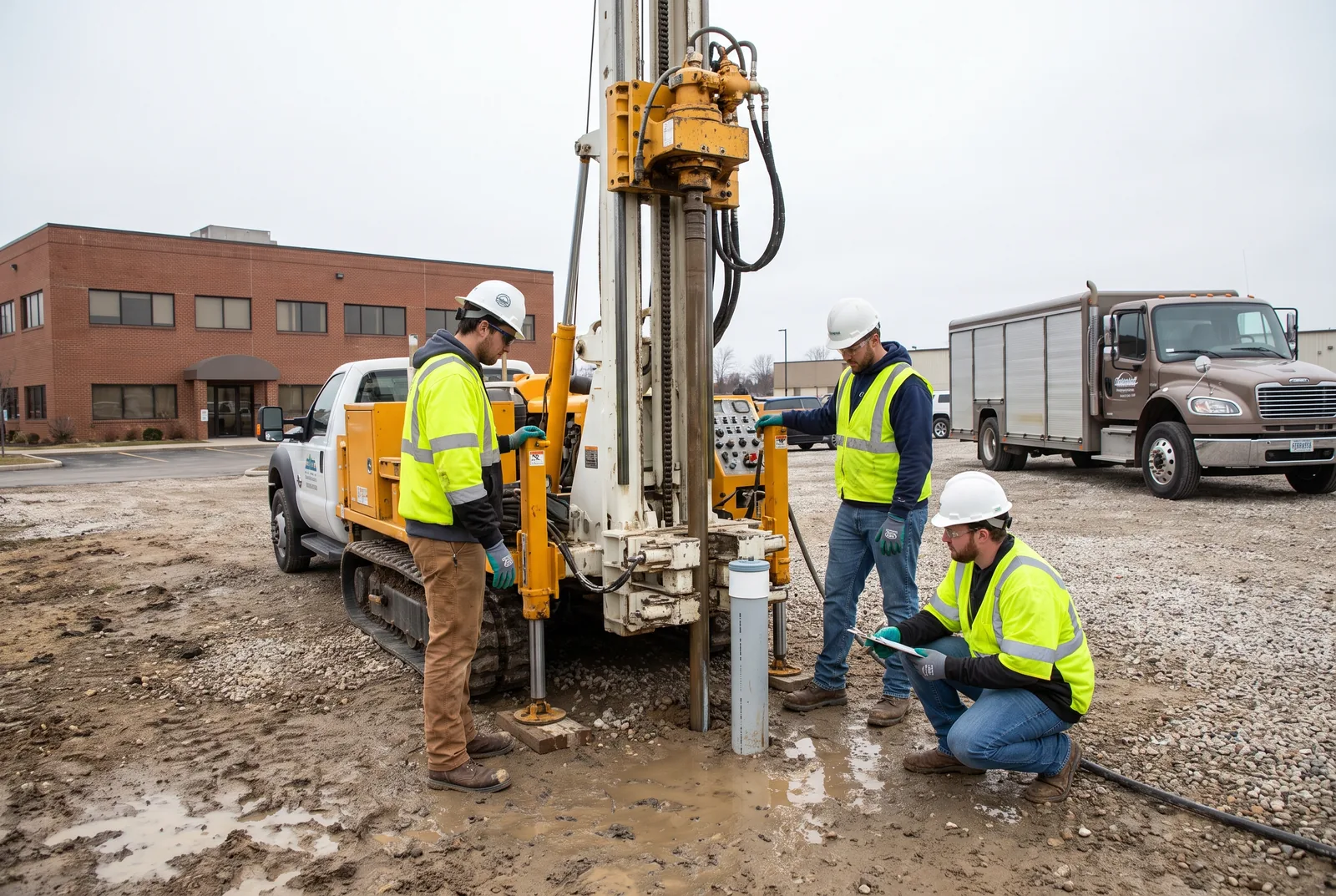
Critically, a Phase 1 does not involve any sampling of soil, groundwater or building materials. There is no drilling and no lab work. If the Phase 1 flags a recognized environmental condition worth investigating, the next step is a Phase 2 ESA, which is a separate, more involved and more expensive engagement. For a fuller walkthrough of the report itself, see what is a Phase 1 Environmental Site Assessment.
Who typically orders a Phase 1 ESA
A range of parties in a commercial transaction either require or benefit from a Phase 1 ESA, and understanding where you sit helps clarify whether you need one:
- Buyers and investors. The most common client. The buyer orders the Phase 1 during the due diligence period to understand risk and preserve liability defenses before closing.
- Lenders. Banks and credit unions require a Phase 1 as a condition of a commercial mortgage and want the report addressed so they can rely on it.
- Developers. Anyone redeveloping a parcel or changing its use typically needs environmental clarity before pouring capital into the site.
- Sellers. Some sellers commission a Phase 1 before listing so they can disclose a clean report and keep the deal moving quickly.
- Tenants signing long leases. A business taking on a long-term lease with environmental responsibilities sometimes orders one to understand what it is agreeing to.
What happens if the report finds something
A Phase 1 that identifies a recognized environmental condition is not the end of the road, and it does not automatically kill the deal. It is information. A recognized environmental condition simply means there is evidence suggesting a past or present release of hazardous substances or petroleum products that warrants a closer look. From there you have options: commission a Phase 2 ESA to confirm whether contamination actually exists, renegotiate the price to reflect the risk, ask the seller to address the issue before closing, or walk away with your defenses and your capital intact. Buyers who skip the Phase 1 have none of these levers, because they never learn there is a problem until it is theirs.
How to decide
If you are financing, the decision is made for you: your lender will require it. If you are paying cash, ask yourself whether the property has any plausible history of commercial or industrial use and whether you are comfortable giving up your CERCLA defenses. For almost every commercial transaction, the answer points the same way. The modest cost and short timeline of a Phase 1 ESA are small prices for knowing what you are buying and protecting yourself from liability you did not create. When in doubt, order one. The cost of the report is trivial next to the cost of inheriting someone else's contamination, and the few weeks it takes almost always fit inside a normal due diligence window.
Frequently asked questions
Is a Phase 1 ESA legally required?
No federal law requires a Phase 1 ESA to buy property, but it is the recognized way to satisfy All Appropriate Inquiries under CERCLA. Performing one preserves the innocent landowner and bona fide prospective purchaser liability defenses, and lenders almost always require it as a condition of financing.
Do I need a Phase 1 ESA if I am paying cash?
You are not forced to, but it is strongly recommended. Without a compliant Phase 1 ESA before closing, a cash buyer loses the CERCLA liability defenses and could be held responsible for cleaning up contamination caused by a prior owner.
Does an SBA loan require a Phase 1 ESA?
Often, yes. The SBA's environmental rules can require a Phase 1 ESA or a screening that leads to one, depending on the loan amount and whether the property's use falls into an environmentally sensitive category.
How long is a Phase 1 ESA valid?
A Phase 1 ESA is generally considered current for 180 days for certain components, and is treated as stale after one year. If your closing slips past those windows, the report may need an update to remain valid for liability protection.
What happens if I skip the Phase 1 ESA?
You can still close, but you give up the CERCLA liability defenses and take on the risk of inheriting undiscovered contamination. If a financed deal, your lender will likely refuse to fund without one.
Get a Phase 1 ESA quote in 24 hours
Match with a vetted environmental firm in your area and get a firm price and timeline.
Get a 24-hr quoteFigures are typical U.S. ranges for general guidance and vary by property, scope and provider. A Phase 1 ESA should follow ASTM E1527-21 and be performed by a qualified environmental professional.