Phase 2 Environmental Site Assessment Cost
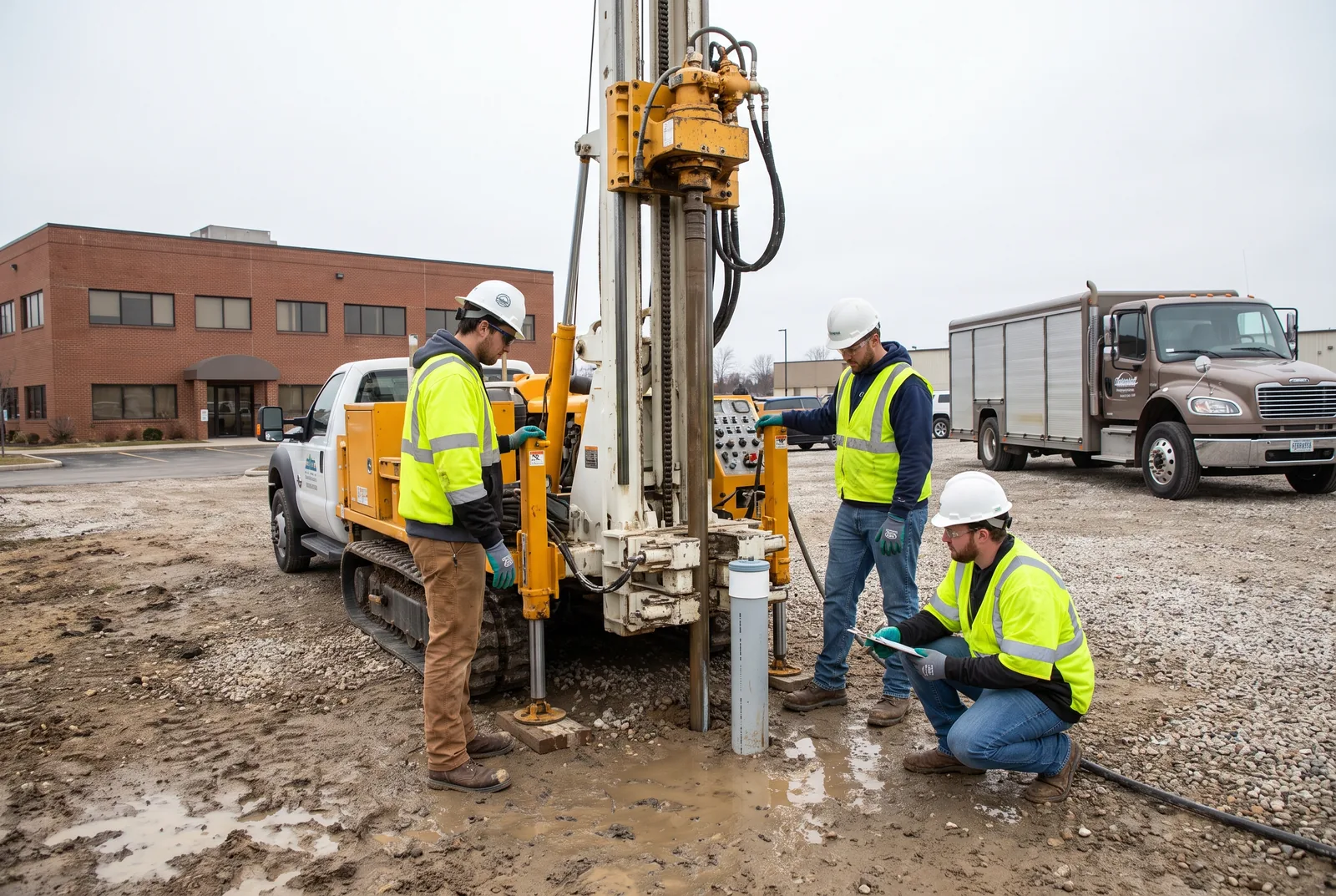
A Phase 2 Environmental Site Assessment is the testing step that follows a Phase 1 when the records review turns up a concern. Unlike a Phase 1, which is non-invasive, a Phase 2 puts drill rigs on the ground and sends samples to a lab, which is why it costs several times more and varies so widely. If a Phase 1 flagged a recognized environmental condition on your property, the first question is almost always what the Phase 2 will cost. Here is a clear, 2026 breakdown of the ranges, what drives them, and how to keep the number from ballooning.
Why a Phase 2 costs so much more than a Phase 1
A Phase 1 ESA is a records-and-reconnaissance exercise with no physical sampling, which is why it usually runs $1,500 to $3,000. A Phase 2 is a field investigation. It involves mobilizing drilling equipment, collecting soil, groundwater or vapor samples, running them through an accredited laboratory, and having an environmental professional interpret the data. Each of those steps carries real cost, and the scope is dictated by the specific concern the Phase 1 raised. Because the work is custom to each site rather than a fixed package, two Phase 2s on similar-looking properties can differ by tens of thousands of dollars depending on how many borings, wells and lab parameters the investigation needs. That is also why a reliable estimate is impossible until the scope is defined from the Phase 1 findings. For a side-by-side comparison of the two assessments, see our guide to Phase 1 versus Phase 2.
Phase 2 ESA cost by scope
The clearest way to think about Phase 2 pricing is by the scale of the investigation. The ranges below are typical U.S. figures for 2026 and will vary by region, site access and contaminant type.
| Scope | Typical investigation | Typical cost |
|---|---|---|
| Limited | 3 to 5 soil borings, soil only, single concern | $5,000 – $15,000 |
| Standard | 8 to 12 borings plus 2 to 4 monitoring wells, soil and groundwater | $15,000 – $30,000 |
| Comprehensive | 15+ borings, multiple wells, vapor sampling, specialty analytics | $30,000 – $75,000+ |
Most routine commercial Phase 2s on a single concern, such as a former underground storage tank, fall in the $5,000 to $25,000 band. Larger industrial sites, multiple suspected release areas, or emerging contaminants like PFAS push into the higher ranges quickly.
What drives the price
Several factors move a Phase 2 estimate up or down. Understanding them helps you read a proposal and spot where the money is going:
- Number of borings and wells. This is the dominant driver. A typical Phase 2 runs several soil borings, and a standard two-inch monitoring well commonly costs roughly $1,500 to $3,500 installed. Each additional well or boring adds drilling, labor and lab cost.
- Depth and geology. Deeper drilling and hard or rocky ground slow the rig and raise the price. Difficult geology can require specialty equipment such as a sonic or track-mounted rig.
- Analytical parameters. Testing for a single petroleum signature is cheaper than a broad panel. Specialty analytics such as PFAS, which involve their own strict sampling and lab protocols, add meaningfully to the bill.
- Media sampled. Soil only is the least expensive. Adding groundwater, and especially soil vapor, increases both field time and lab costs.
- Site access and permitting. Tight urban sites, utility clearance, traffic control and drilling permits all add cost and time.
What you get for the money
A Phase 2 ESA delivers something a Phase 1 cannot: actual data. The deliverable is a report documenting where samples were taken, the laboratory results, a comparison of those results against applicable regulatory screening levels, and the environmental professional's conclusion about whether contamination is present and at what magnitude. That report is what lets a buyer, lender or attorney make an informed decision about price, cleanup responsibility and risk. In short, you are paying to convert the Phase 1's suspicion into measured fact.
Where the money actually goes
It helps to see a Phase 2 budget broken into its main components, because that is how a proposal is usually built. No single line dominates every project, but the pattern is consistent:
- Mobilization and drilling. Getting a rig to the site and advancing borings is a large share of the cost, and difficult access or hard geology raises it.
- Monitoring well installation. Each well adds materials, labor and development time, commonly on the order of $1,500 to $3,500 per well.
- Laboratory analysis. Per-sample lab fees scale with the number of samples and the breadth of the analytical panel. Broad or specialty panels cost more.
- Professional labor and reporting. Planning the investigation, overseeing the field work, interpreting the data and writing the report all take professional time.
- Permits, utility clearance and disposal. Drilling permits, locating underground utilities and disposing of drill cuttings and purge water add smaller but real line items.
When a Phase 2 is required
A Phase 2 is triggered when a Phase 1 ESA identifies a recognized environmental condition, or REC. The Phase 1 itself recommends it, and the sampling plan is built directly from the specific RECs the Phase 1 raised, which is why a precise Phase 1 keeps Phase 2 costs down. On certain financed deals the trigger is automatic: SBA loans, for example, require a Phase 2 on any property with a solvent-history dry cleaner regardless of what the Phase 1 found. You can read how that fits into lender requirements in our guide to the Phase 1 ESA for SBA loans, and the broader picture of what a Phase 1 ESA covers.
How long a Phase 2 takes and how to control cost
A Phase 2 usually takes about three to eight weeks from scoping to final report, driven mostly by scheduling the drill rig, laboratory turnaround and any permits. To keep the number reasonable, start with a tightly scoped investigation aimed only at the Phase 1's RECs rather than a blanket study of the whole site, and let the results tell you whether a second round is needed. Get a defined scope and a firm quote in writing before any drilling begins, and ask what the per-well and per-sample costs are so you understand how the total would change if the scope expands. You can size a Phase 1 budget first with our cost calculator, since a well-run Phase 1 is the best way to keep a Phase 2 focused and affordable.
What happens after the results come back
A Phase 2 has three broad outcomes, and each sets a different budget. If sampling finds nothing above regulatory screening levels, the concern is cleared and the deal can usually proceed with no further environmental cost. If it finds contamination that is limited and well understood, the parties typically negotiate price, escrow a holdback, or assign cleanup responsibility, often with no further study needed. If it reveals significant or poorly defined contamination, the next step may be additional delineation or a remediation phase, sometimes called a Phase 3, which is a separate and potentially much larger commitment.
The takeaway for budgeting is that a Phase 2 is best treated as a decision tool, not a fixed cost. You are spending a defined amount to replace uncertainty with data, and that data is what lets you price the risk, walk away, or move forward with confidence. Scoping the work tightly around the Phase 1's recognized environmental conditions is the most reliable way to get that answer without overspending.
Frequently asked questions
How much does a Phase 2 environmental site assessment cost?
A Phase 2 ESA typically costs $5,000 to $25,000. A limited soil-only investigation can be near the bottom of that range, while a comprehensive study with multiple monitoring wells, groundwater and vapor sampling and specialty analytics such as PFAS can reach $40,000 or more. The number of borings and wells is the biggest driver.
Why is a Phase 2 so much more expensive than a Phase 1?
A Phase 1 is a non-invasive records and site review with no sampling, usually $1,500 to $3,000. A Phase 2 is a field investigation that mobilizes drilling equipment, collects soil, groundwater or vapor samples, runs accredited laboratory analysis and interprets the data, so it routinely costs several times more.
What determines the cost of a Phase 2 ESA?
The main drivers are the number of soil borings and monitoring wells, the depth and difficulty of drilling, the laboratory parameters tested, which media are sampled (soil, groundwater or vapor), and site access and permitting. A standard monitoring well alone commonly costs around $1,500 to $3,500 installed.
When is a Phase 2 ESA required?
A Phase 2 is triggered when a Phase 1 ESA identifies a recognized environmental condition. The Phase 1 recommends it and defines the sampling plan. Some financed deals require it automatically, such as SBA loans on a property with a solvent-history dry cleaner, which need a Phase 2 regardless of the Phase 1 findings.
How can I keep Phase 2 costs down?
Start with a tightly scoped investigation aimed only at the recognized environmental conditions the Phase 1 raised, rather than a blanket study of the whole site, and let the results decide whether more work is needed. Get a defined scope and firm quote in writing before drilling, and confirm the per-well and per-sample costs so you understand how the total changes if scope grows.
Get a Phase 1 or Phase 2 ESA quote in 24 hours
Match with a vetted environmental firm in your area and get a defined scope, a firm price and a timeline before any drilling begins.
Get a 24-hr quoteFigures are typical U.S. ranges for general guidance and vary widely by property, scope, geology, contaminant type and provider. A Phase 2 ESA should be scoped from a Phase 1 ESA performed to ASTM E1527-21 and carried out by a qualified environmental professional.