What Is a Recognized Environmental Condition (REC)?
If you order a Phase 1 Environmental Site Assessment, the entire report builds toward one conclusion: does the property have a recognized environmental condition, or not. The recognized environmental condition, almost always shortened to REC, is the central finding of every Phase 1 ESA and the term that decides whether your deal proceeds cleanly or needs more investigation. This guide explains what a REC is in plain English, how the ASTM E1527-21 standard defines it, the important variants you will see in reports, and what actually happens when one is found.
The ASTM E1527-21 definition
RECs are defined by ASTM E1527-21, the current standard practice for Phase 1 ESAs. Under that standard, a recognized environmental condition is the presence or likely presence of any hazardous substances or petroleum products in, on, or at a property due to any of the following: a release to the environment, a likely release to the environment, or a material threat of a future release to the environment. That definition does a lot of work, so it helps to unpack the three key phrases.
- Presence or likely presence. A REC does not require proof that contamination exists. Strong circumstantial evidence, such as a former gas station on the site, is enough to establish a likely presence.
- Release or likely release. The concern is substances that have escaped, or probably escaped, into soil, groundwater or vapor, not products being stored and used properly.
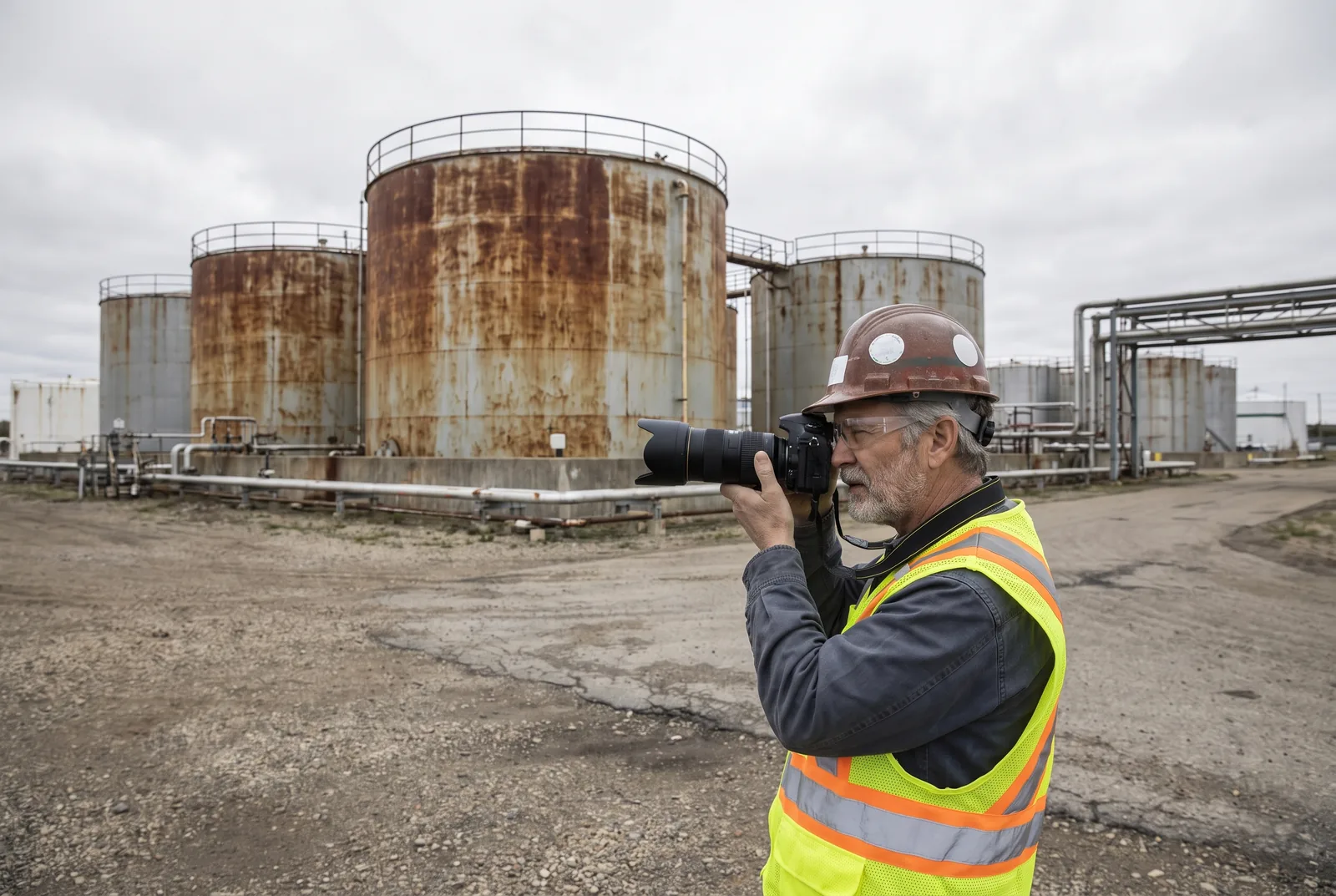
- Material threat of a future release. A clear and imminent risk, such as badly deteriorating storage tanks, can qualify even before anything has leaked.
Crucially, a REC is an opinion formed by a qualified environmental professional based on records, a site visit and interviews. A Phase 1 does not involve any sampling, so identifying a REC is about weighing evidence, not measuring contamination. To see how that evidence is gathered, read our overview of what a Phase 1 Environmental Site Assessment is.
Common examples of a REC
Abstract definitions are easier to grasp with concrete cases. In practice, the kinds of findings that typically rise to the level of a recognized environmental condition include:
- A former or current gas station with underground storage tanks, where even properly closed tanks can leave a history of releases.
- A past dry cleaner that used chlorinated solvents, which migrate readily into soil and groundwater.
- Staining, sumps or floor drains at an industrial or auto repair property suggesting chemicals reached the ground.
- Documented spills or regulatory violations appearing in the environmental database records for the site or a nearby property.
- An adjoining contaminated site upgradient of your property, where a known plume could migrate onto the subject site.
That last example matters because a REC does not have to originate on your own parcel. Contamination migrating from a neighboring property can be a recognized environmental condition for the site you are buying, which is one reason the records review looks beyond the parcel lines.
What is not a REC
Just as important is what the standard excludes. Not every environmental observation in a report is a REC. The most common non-REC category is the de minimis condition, which is a condition that generally does not present a threat to human health or the environment and would not trigger an enforcement action if reported to regulators. A small, contained stain on a warehouse floor, for example, is often de minimis. These conditions may still be noted in the report for transparency, but they do not carry the weight of a REC and do not, on their own, call for further investigation.
The three REC variants: REC, HREC and CREC
Phase 1 reports under ASTM E1527-21 distinguish three closely related terms. The differences matter because they signal very different levels of ongoing risk.
| Term | What it means |
|---|---|
| REC | An active or unresolved condition: the presence or likely presence of a release that has not been addressed to a regulator's satisfaction. |
| HREC (Historical REC) | A past release that has been cleaned up to the regulator's satisfaction and meets unrestricted use criteria, with no remaining controls on the property. |
| CREC (Controlled REC) | A past release addressed to the regulator's satisfaction, but with hazardous substances allowed to remain in place subject to ongoing controls such as activity and use limitations. |
The practical takeaway: an HREC is largely resolved and generally the lowest concern of the three, because the site met unrestricted use standards and carries no controls. A CREC is resolved only on the condition that controls stay in place, so a buyer inherits obligations such as maintaining a cap or honoring a land use restriction. A plain REC is the one most likely to require action, because the condition has not been resolved at all.
What happens when a Phase 1 finds a REC
Finding a REC is not a verdict that the deal is dead. It is a signal to investigate, not a conclusion about the property's value. When a Phase 1 identifies a REC, the environmental professional's report will recommend next steps, and in the large majority of cases that recommendation is a Phase 2 ESA. The typical sequence looks like this:
- Review each REC individually with your environmental professional. One REC on a large site is very different from several.
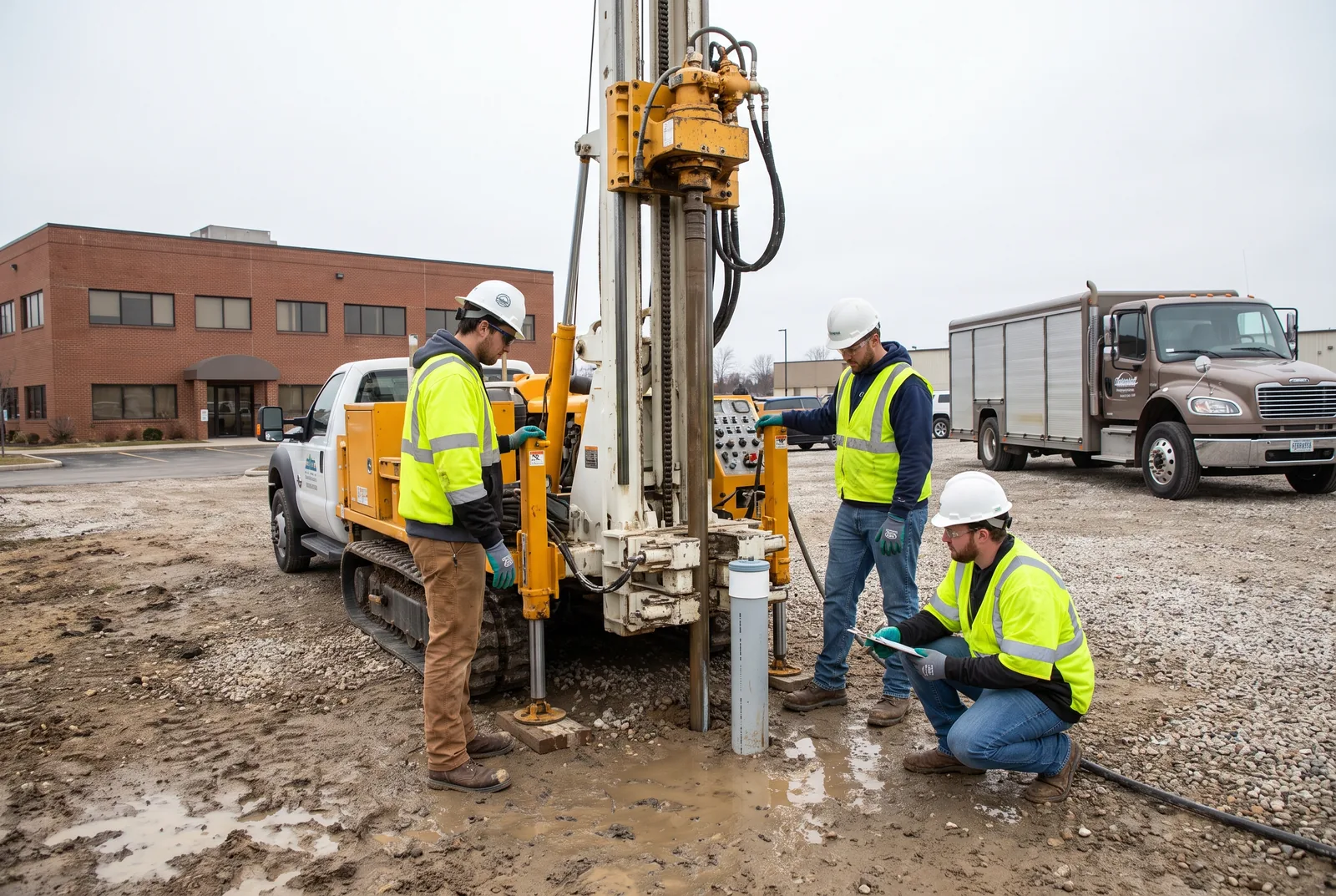
- Decide whether a targeted Phase 2 ESA is warranted. Phase 2 collects and tests soil, groundwater or vapor samples focused on the specific concern the Phase 1 raised.
- Use the findings to reprice, renegotiate, allocate cleanup responsibility, or in some cases walk away.
Because the Phase 2 scope is built directly from the Phase 1's RECs, a well-written Phase 1 saves money downstream by pointing the sampling precisely where it needs to go. Our guide to Phase 1 versus Phase 2 walks through how that handoff works.
How a REC is worded, and why it matters
The exact wording of a REC finding carries real weight, which is why experienced buyers read the conclusions section closely. A report that labels a condition a REC, rather than a CREC, an HREC or a de minimis condition, is signaling an unresolved risk that typically calls for a Phase 2 ESA. Lenders often will not close until each REC is either investigated or formally addressed, so the classification directly affects your timeline. It also affects negotiation: a seller may dispute a REC designation, and a second professional opinion is sometimes sought. Because these determinations are judgment calls made under ASTM E1527-21, the credibility of the environmental professional matters as much as the finding itself, and a vague or overcautious report can create delay and cost that a precise one would have avoided.
Why RECs matter for liability
RECs are not just a real estate formality. A Phase 1 ESA performed to ASTM E1527-21 is the foundation for the landowner liability protections under federal environmental law, including the innocent landowner and bona fide prospective purchaser defenses. To claim those protections, a buyer must conduct all appropriate inquiries before purchase, and a proper Phase 1 is how that is done. The REC finding is the heart of that inquiry: it documents what a reasonable buyer knew, or should have known, about contamination risk before closing. That is why lenders and attorneys care so much about how RECs are identified and worded, and why it pays to use a qualified professional. If you are weighing whether an assessment is even necessary for your transaction, see do I need a Phase 1 ESA.
Frequently asked questions
What is a recognized environmental condition in simple terms?
It is the presence or likely presence of hazardous substances or petroleum products at a property because of a release, a likely release, or a serious threat of a future release. In plain English, a REC is the environmental professional's finding that there is real evidence of possible contamination worth investigating further.
Does a REC mean the property is contaminated?
No. A REC means there is enough evidence to suspect a release, not proof that contamination is present. Because a Phase 1 ESA includes no sampling, confirming actual contamination requires a Phase 2 ESA. A REC is a reason to investigate, not a verdict that the deal should fail.
What is the difference between a REC, an HREC and a CREC?
A REC is an active or unresolved condition. An HREC, or historical REC, is a past release that was cleaned up to the regulator's satisfaction with no remaining controls. A CREC, or controlled REC, is a past release addressed by the regulator but with contamination allowed to remain in place subject to ongoing controls such as use restrictions.
What happens if a Phase 1 ESA finds a REC?
The report recommends next steps, which in most cases is a Phase 2 ESA that samples soil, groundwater or vapor focused on the specific concern. Buyers then use the results to reprice, renegotiate, assign cleanup responsibility, or occasionally withdraw. A REC is a signal to dig deeper, not an automatic deal breaker.
What is a de minimis condition versus a REC?
A de minimis condition generally does not threaten human health or the environment and would not trigger regulatory enforcement if reported, so it is not classified as a REC. It may still be noted in the report for transparency, but unlike a REC it does not by itself call for further investigation.
Get a Phase 1 ESA quote in 24 hours
Match with a vetted environmental firm in your area and get a firm price and timeline for an ASTM E1527-21 assessment.
Get a 24-hr quoteThis guide is general information, not legal or environmental advice. REC, HREC and CREC determinations are professional opinions made under ASTM E1527-21 and should be performed by a qualified environmental professional.